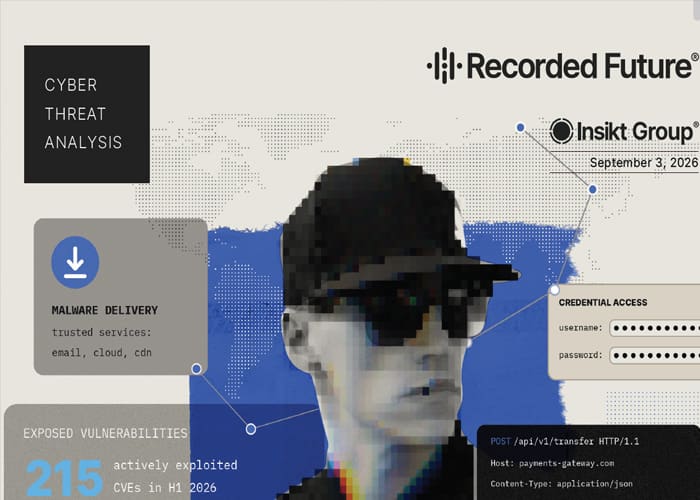
H1 2026 activity showed a continued adversary preference for abusing legitimate tools, trusted platforms, and routine workflows already present in enterprise and consumer environments. Threat actors used exposed software, developer tools, remote access utilities, payment workflows, and third-party services to gain access, steal credentials, move laterally, and monetize intrusions while blending into expected activity. This emphasis on evasion through normalcy rather than technical novelty increases the risk that malicious activity will progress through approved tools and trusted services before defenders recognize it, reinforcing the need for stronger exposure management, identity and credential governance, behavioral detection, developer-environment security, backup resilience, mobile fraud monitoring, and third-party oversight.
AI-enabled cyberattacks became more visible in H1 2026, but remained mostly additive to established intrusion tradecraft. In the vulnerability ecosystem, AI-assisted research increased the volume of vulnerability reports, which, moving forward, could further compress remediation timelines by accelerating exploit-path analysis and lowering exploit-development costs for skilled operators. In malware activity, observed AI-enabled capabilities largely aligned with lower-to-mid-level stages of Recorded Future’s AI Malware Maturity Model (AIM3), where AI supported discrete functions such as persistence, user interface (UI) interaction, malware development, and delivery rather than fully autonomous operations.