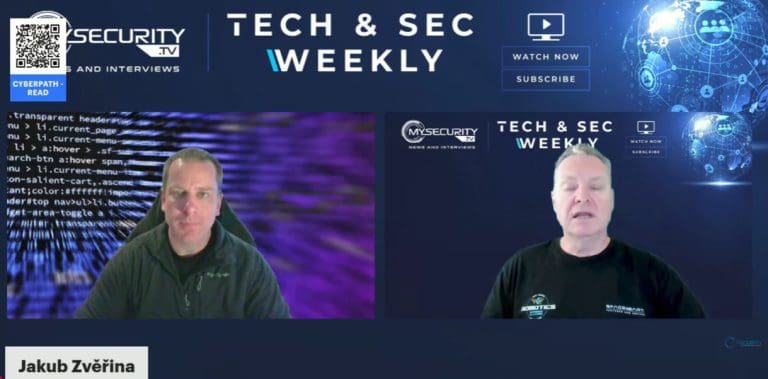

We sat down with Mr. Yeong to delve into the rising tensions around AI ownership, the need for more transparency, and the importance of human oversight in this rapidly changing field. Our chat took us into the fascinating convergence of quantum tech and law—paving the way for a whole new frontier in tech law. Here is a summary of the conversation under four key areas:
- Copyright: Cases like Getty vs. Adobe and Shutterstock are testing the limits of fair use as AI scrapes data to create new content. Different countries, like the U.S. and China, are adopting contrasting approaches to copyright. The U.S. Copyright Office has dismissed the notion that prompts given to AI can grant copyright to the user, while Chinese courts have ruled in some cases that if AI-generated content demonstrates sufficient creativity via prompts, the user may claim copyright.
- Human-in-the-Loop: While AI can assist with tasks like summarizing legal cases or generating reports, professionals remain accountable for the final output. The Singapore Academy of Law has developed a prompt engineering guide to help lawyers use AI effectively while ensuring human supervision and responsibility in legal services.
- Transparency & Explainability: Transparency means knowing how AI works, but explainability is the key to understanding why it makes certain decisions. The EU AI Act mandates transparency, but explainability is still optional. Mr. Yeong highlighted the importance of explainability in building trust with users and encouraged businesses to voluntarily offer this feature, particularly in areas like healthcare.
- Quantum Law: While quantum computing is currently expensive and not widely accessible, its future could disrupt assumptions about data encryption and security. Mr. Yeong noted that as quantum technology advances, policies related to data protection may need to be revisited, especially for data with long-term value.
Mr Yeong Zee Kin holds a Master of Laws from Queen Mary University of London and completed his undergraduate law degree at the National University of Singapore. His experience as a Technology, Media and Telecommunications lawyer spans both the private and public sectors. He has spoken and published in areas relating to electronic evidence and intellectual property, as well as legal issues relating to Blockchain and AI deployment.
Zee Kin is an internationally recognized expert on AI ethics. He spearheaded the development of Singapore’s Model AI Governance Framework, which won the UNITU WSIS Prize in 2019. He is currently a member of the OECD Network of Experts on AI (ONE AI). In 2019, he was a member of the AI Group of Experts at the OECD (AIGO), which developed the OECD Principles on AI. These principles have been endorsed by the G20 in 2019. He was also an observer participant at the European Commission’s High-Level Expert Group on AI, which fulfilled its mandate in June 2020.
Zee Kin is also a well-regarded expert on data privacy issues. He has contributed to publications on legal issues relating to data privacy and has spoken at many well-recognised international and domestic platforms on this topic.
Recorded 12th September 2024 3pm. Tech Law Fest, Singapore.